The history of sneakers begins in 1860, when the Liverpool Rubber Company began producing shoes with vulcanized rubber soles: comfortable and flexible, perfect for sports like tennis and cricket. The real turning point came in 1917 with the first sneakers designed for basketball. They were a simple, functional model, yet destined to become a timeless cultural icon.
In the 1970s, sneakers left the sports field and entered people's wardrobes. They became a symbol of freedom, youth, and style.
In the 80s they finally exploded thanks to hip-hop culture: Run-DMC, with their Adidas Superstar, transformed a shoe into a collective fashion language.
In the 1990s, the market experienced unprecedented growth, with brands, models, and collaborations multiplying. The sneaker transformed into a cult object.
With the new millennium, sneakers became the meeting point of sport, fashion, and lifestyle. The 2010s saw the arrival of limited editions, artistic collaborations, and limited-edition releases.
In the 2020s, however, there is a growing push towards more responsible materials, lightweight silhouettes and hybrid designs.
And today?
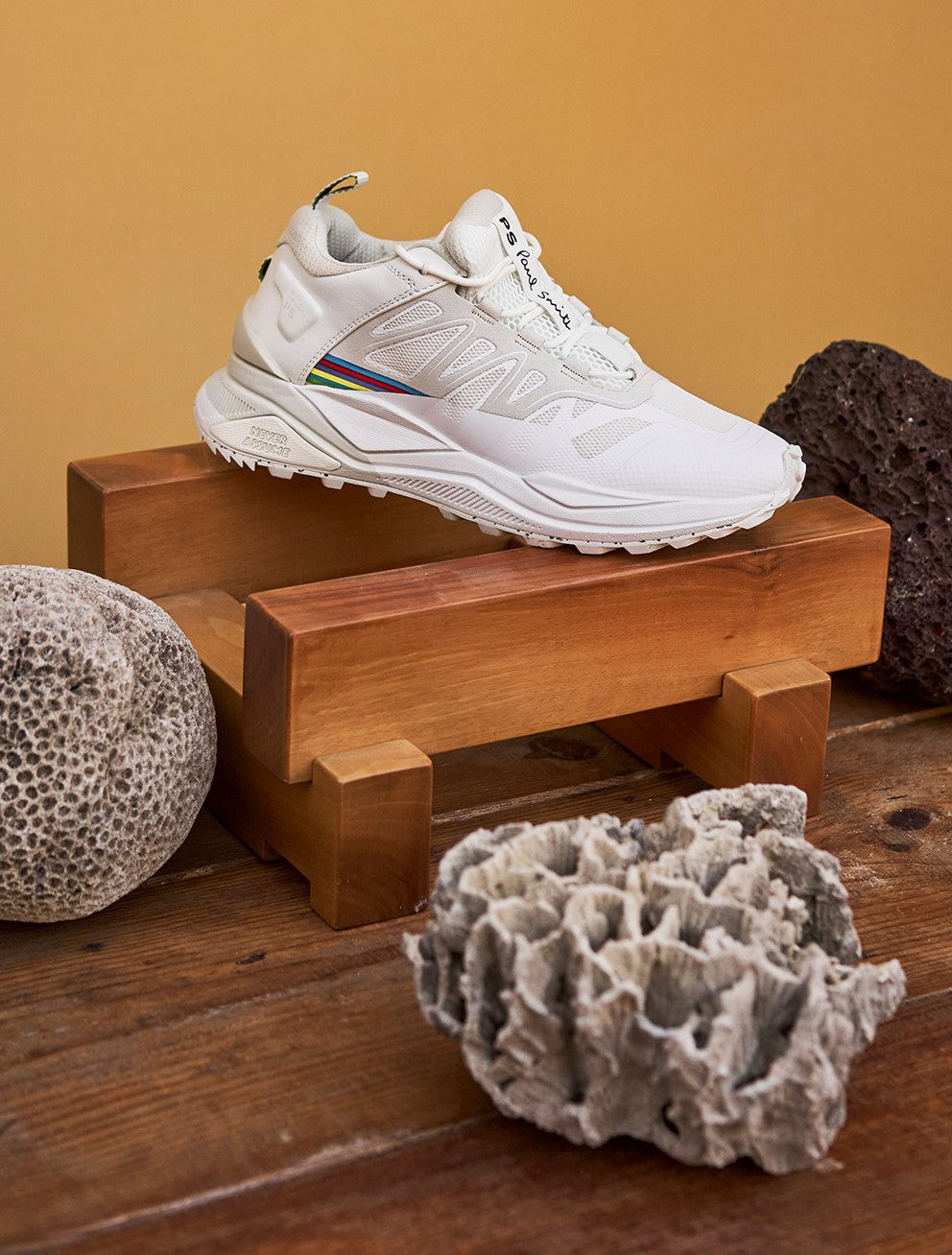
As we move into 2026, sneakers continue to evolve: increasingly versatile, increasingly “all-day” wear, with a strong return to clean lines, balanced volumes, and technical materials.
The line between sports footwear and fashion is becoming even more blurred.
Today, as in 1860, one thing remains true: sneakers continue to tell who we are, one step at a time.