
Choose the type


Sneakers
-

 Sale
Original price €195,00Original price €195,00 - Original price €195,00Original price €195,00Current price €95,00€95,00 - €95,00Current price €95,00
Sale
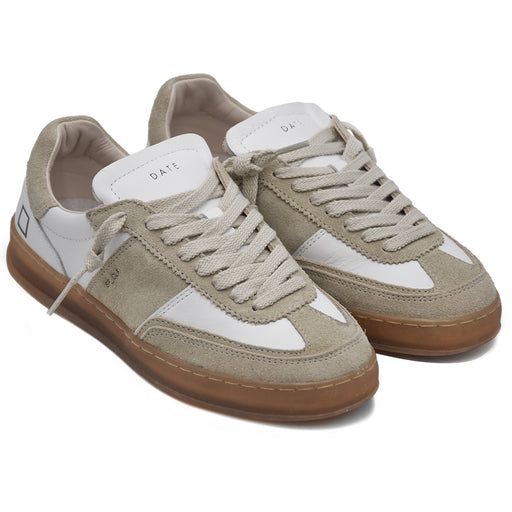
Original price €195,00Original price €195,00 - Original price €195,00Original price €195,00Current price €95,00€95,00 - €95,00Current price €95,00Sneakers DATE Sfera White Phard Women Casual Style
D.A.T.E.• White leather sneakers • Phard suede heel tab • Matching chenille laces • 2.5 cm removable insole • Cotton terry interior • Side square cod...
View full detailsOriginal price €195,00Original price €195,00 - Original price €195,00Original price €195,00Current price €95,00€95,00 - €95,00Current price €95,00Sale -
 Sale
Original price €175,00Original price €175,00 - Original price €175,00Original price €175,00Current price €88,00€88,00 - €88,00Current price €88,00
Sale
Original price €175,00Original price €175,00 - Original price €175,00Original price €175,00Current price €88,00€88,00 - €88,00Current price €88,00Sneakers DATE Sporty White Beige The New Low Top Women
D.A.T.E.• White leather sneakers • Contrasting beige suede details • The laces are made of cotton • Square logo on the back • 1.5 cm raised insole for...
View full detailsOriginal price €175,00Original price €175,00 - Original price €175,00Original price €175,00Current price €88,00€88,00 - €88,00Current price €88,00Sale -

 Sale
Original price €200,00Original price €200,00 - Original price €200,00Original price €200,00Current price €80,00€80,00 - €80,00Current price €80,00
Sale
Original price €200,00Original price €200,00 - Original price €200,00Original price €200,00Current price €80,00€80,00 - €80,00Current price €80,00Philippe Model Men's Sneakers With Dermowelded Finishes Blue
Philippe Model• Sneakers in blue suede and technical fabric • White rear insert • Maison crest on the side • Breathable cotton terry lining • Microporous ru...
View full detailsOriginal price €200,00Original price €200,00 - Original price €200,00Original price €200,00Current price €80,00€80,00 - €80,00Current price €80,00Sale -

 Sale
Original price €420,00Original price €420,00 - Original price €420,00Original price €420,00Current price €210,00€210,00 - €210,00Current price €210,00
Sale
Original price €420,00Original price €420,00 - Original price €420,00Original price €420,00Current price €210,00€210,00 - €210,00Current price €210,00Hogan Sneakers H-TV Men White Black Recalls World Basketball Lines
Hogan• Sneakers in black and white nappa leather • Contrasting red details • Removable memory foam insole • HGN86 logo printed on the side • Interc...
View full detailsOriginal price €420,00Original price €420,00 - Original price €420,00Original price €420,00Current price €210,00€210,00 - €210,00Current price €210,00Sale -

 Sale
Original price €470,00Original price €470,00 - Original price €470,00Original price €470,00Current price €188,00€188,00 - €188,00Current price €188,00
Sale
Original price €470,00Original price €470,00 - Original price €470,00Original price €470,00Current price €188,00€188,00 - €188,00Current price €188,00Hogan H667 Skateboard Inspired Model Sneakers Grey Women
Hogan• Hogan Chamallow sneakers in taupe and grey suede • Heel with soft padding • Hogan logo embossed on the back • Removable Memory Foam insole •...
View full detailsOriginal price €470,00Original price €470,00 - Original price €470,00Original price €470,00Current price €188,00€188,00 - €188,00Current price €188,00Sale -

 Sale
Original price €420,00Original price €420,00 - Original price €420,00Original price €420,00Current price €189,00€189,00 - €189,00Current price €189,00
Sale
Original price €420,00Original price €420,00 - Original price €420,00Original price €420,00Current price €189,00€189,00 - €189,00Current price €189,00Hogan 670 Women's Slip-On Sneakers Black High Contrast Sole
Hogan• Black leather sneakers • Internal collar in lurex fabric • Slip-on version • Internal elastics to facilitate the fit • Removable Memory Foam ins...
View full detailsOriginal price €420,00Original price €420,00 - Original price €420,00Original price €420,00Current price €189,00€189,00 - €189,00Current price €189,00Sale -

 Original price €199,00 - Original price €199,00Original price€199,00€199,00 - €199,00Current price €199,00
New Balance Sneakers 9060GRY Grey Device CR Translucent Women
New Balance• Ice bi-material sneakers • Mesh upper with dark grey suede overlays • Extended slider bars throughout the upper • Removable insole • Side logo •...
View full detailsOriginal price €199,00 - Original price €199,00Original price€199,00€199,00 - €199,00Current price €199,00 -

 Sale
Original price €420,00Original price €420,00 - Original price €420,00Original price €420,00Current price €189,00€189,00 - €189,00Current price €189,00
Sale
Original price €420,00Original price €420,00 - Original price €420,00Original price €420,00Current price €189,00€189,00 - €189,00Current price €189,00Hogan H665 Lightweight And Flexible Sneakers White Beige Men
Hogan• White leather sneakers • Beige fabric with perforated and punched workmanship • Blue logo that extends across the entire side • Removable Memory...
View full detailsOriginal price €420,00Original price €420,00 - Original price €420,00Original price €420,00Current price €189,00€189,00 - €189,00Current price €189,00Sale -

 Original price €130,00 - Original price €130,00Original price€130,00€130,00 - €130,00Current price €130,00
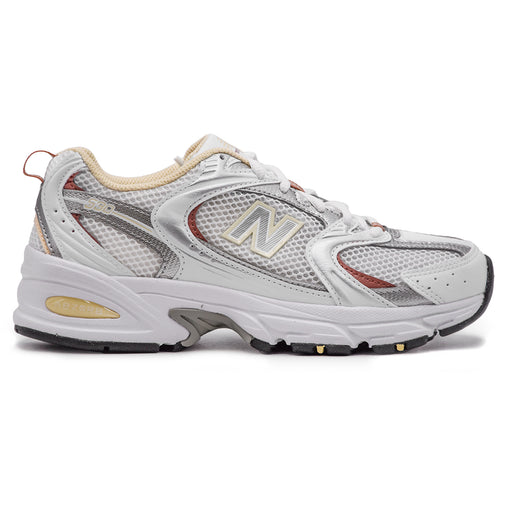
New Balance Sneakers 530SGA White Women With Breathable Upper
New Balance• White breathable mesh sneakers • Open weave fabric • Brown contrasting details • Beige collar • Removable insole • Fabric interior • ABZOR...
View full detailsOriginal price €130,00 - Original price €130,00Original price€130,00€130,00 - €130,00Current price €130,00 -

 Original price €260,00 - Original price €260,00Original price €260,00€260,00€260,00 - €260,00Current price €260,00
Premiata Men's Sneakers Black Moerun 6445 Design From Total Black
Premiata• Black bi-material MOE RUN sneakers • Padded tongue with embossed logo • Side logo • Removable insole • Leather interior • Advanced sole wit...
View full detailsOriginal price €260,00 - Original price €260,00Original price €260,00€260,00€260,00 - €260,00Current price €260,00 -

 Original price €199,00 - Original price €199,00Original price€199,00€199,00 - €199,00Current price €199,00
New Balance Women's Sneakers 9060WHT White Y2K Era Aesthetic
New Balance• Sneakers with white mesh upper • Beige suede overlays • Expanded slider bars extend across the entire upper • Removable insole • Logo on the...
View full detailsOriginal price €199,00 - Original price €199,00Original price€199,00€199,00 - €199,00Current price €199,00 -

 Original price €199,00 - Original price €199,00Original price€199,00€199,00 - €199,00Current price €199,00
New Balance 9060BLK Sneakers Black With Futuristic Aesthetics Women
New Balance• Black bi-material sneakers • Mesh upper with grey suede overlays • Expanded slider bars extend across the entire upper • Removable insole • S...
View full detailsOriginal price €199,00 - Original price €199,00Original price€199,00€199,00 - €199,00Current price €199,00 -

 Sale
Original price €239,00Original price €239,00 - Original price €239,00Original price €239,00Current price €119,00€119,00 - €119,00Current price €119,00
Sale
Original price €239,00Original price €239,00 - Original price €239,00Original price €239,00Current price €119,00€119,00 - €119,00Current price €119,00Sneakers Flower Mountain Beige Women Inspired Nature Cycles
Flower Mountain• Beige pony effect wool sneakers • Khaki suede and animalier detail • Trekking style lacing • Leather interior • Antibacterial cork insole •...
View full detailsOriginal price €239,00Original price €239,00 - Original price €239,00Original price €239,00Current price €119,00€119,00 - €119,00Current price €119,00Sale -

 Original price €219,00 - Original price €219,00Original price €219,00€219,00€219,00 - €219,00Current price €219,00
Flower Mountain Women's Sneakers Inspired by the Outdoor World Beige
Flower Mountain• Yamano 3 sneakers in cream and military suede • Cream nylon • Laces inspired by Trek models • Antibacterial cork insole • All-day long comfo...
View full detailsOriginal price €219,00 - Original price €219,00Original price €219,00€219,00€219,00 - €219,00Current price €219,00 -

 Original price €250,00 - Original price €250,00Original price€250,00€250,00 - €250,00Current price €250,00
New Balance Sneakers Women Grey 990V4 Best In The Market
New Balance• Triple grey suede sneakers • Breathable mesh • Side monogram and 'MADE in USA' writing on the heel • Fabric interior and removable insole • B...
View full detailsOriginal price €250,00 - Original price €250,00Original price€250,00€250,00 - €250,00Current price €250,00 -

 Original price €165,00 - Original price €165,00Original price €165,00€165,00€165,00 - €165,00Current price €165,00
New Balance Women's Sneakers 2002RPO Black Stability Web Technology
New Balance• Black suede and fabric sneakers • Grey leather details • Lateral “N” monogram • Fabric interior and removable insole • N-ergy shock absorbing...
View full detailsOriginal price €165,00 - Original price €165,00Original price €165,00€165,00€165,00 - €165,00Current price €165,00 -

 Original price €240,00 - Original price €240,00Original price€240,00€240,00 - €240,00Current price €240,00
New Balance U998 Sneakers Grey Men Collection Made In USA
New Balance• 998 Made in USA sneakers in grey mesh suede • Six-hole lacing with flat white laces • Rounded tip • Side monogram and logo on the tongue • F...
View full detailsOriginal price €240,00 - Original price €240,00Original price€240,00€240,00 - €240,00Current price €240,00 -

 Original price €129,00 - Original price €129,00Original price€129,00€129,00 - €129,00Current price €129,00
New Balance Kids Sneakers PC9060 Grey Translucent Device
New Balance• Mesh upper with dark grey suede overlays • Extended swing bars throughout the upper • Closure with white laces • Side logo • Dual density mi...
View full detailsOriginal price €129,00 - Original price €129,00Original price€129,00€129,00 - €129,00Current price €129,00 -
 Sale
Original price €189,00Original price €189,00 - Original price €189,00Original price €189,00Current price €95,00€95,00 - €95,00Current price €95,00
Sale
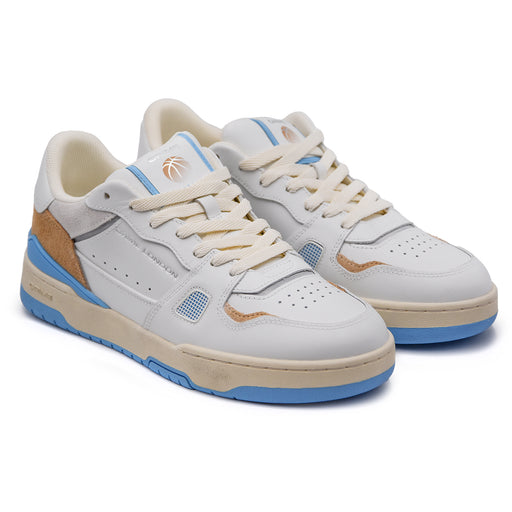
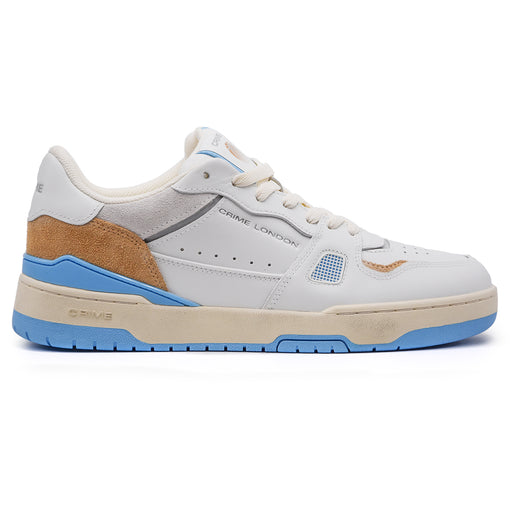
Original price €189,00Original price €189,00 - Original price €189,00Original price €189,00Current price €95,00€95,00 - €95,00Current price €95,00Crime Men's Sneakers White Off Court Ice Cube Perforated Toe
Crime• White leather sneakers • Beige suede details • Perforated toe and quarter • Light blue and white perforated side rubber inserts • Removable ...
View full detailsOriginal price €189,00Original price €189,00 - Original price €189,00Original price €189,00Current price €95,00€95,00 - €95,00Current price €95,00Sale -
 Sale
Original price €235,00Original price €235,00 - Original price €235,00Original price €235,00Current price €70,00€70,00 - €70,00Current price €70,00
Sale
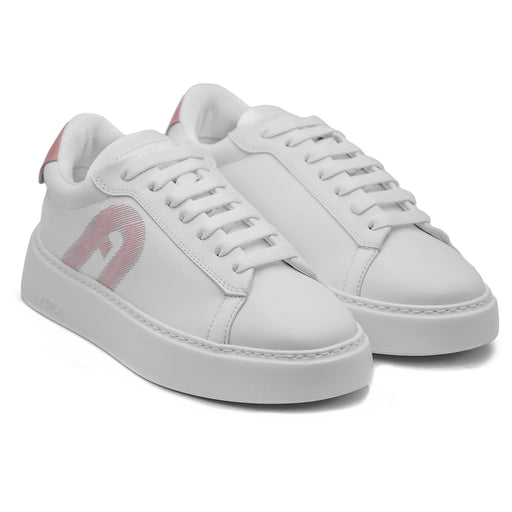
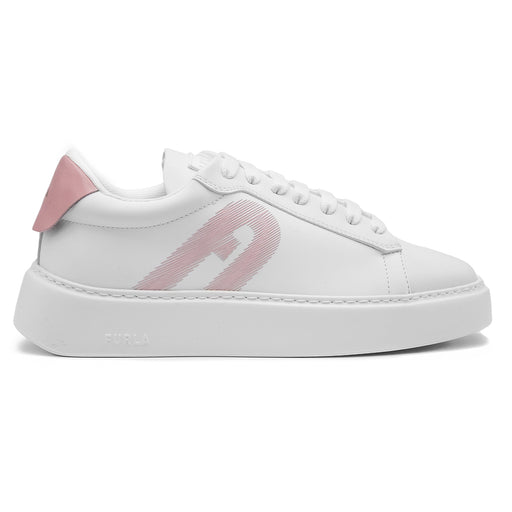
Original price €235,00Original price €235,00 - Original price €235,00Original price €235,00Current price €70,00€70,00 - €70,00Current price €70,00Furla White Women's Sneakers Repurposed In Chunky High Sole
Furla• Sneakers in talc leather • Iconic contrasting Arc logo • Rounded tip • Perfect footwear for city walks • Interior in leather and fabric • R...
View full detailsOriginal price €235,00Original price €235,00 - Original price €235,00Original price €235,00Current price €70,00€70,00 - €70,00Current price €70,00Sale -
 Sale
Original price €250,00Original price €250,00 - Original price €250,00Original price €250,00Current price €175,00€175,00 - €175,00Current price €175,00
Sale
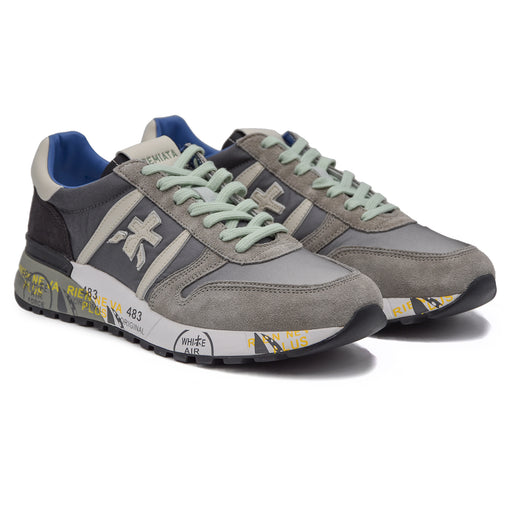
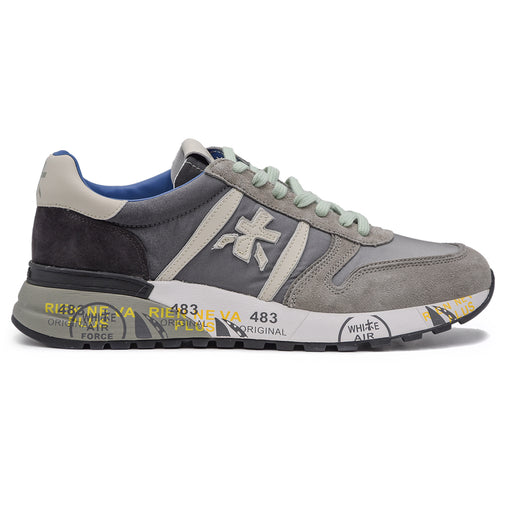
Original price €250,00Original price €250,00 - Original price €250,00Original price €250,00Current price €175,00€175,00 - €175,00Current price €175,00Premiata Lander 4586 Gray Men's Sneakers With Degradé Effect
Premiata• Gray suede sneakers • Degradé nylon detail • Contrasting heel • Side logo • Removable insole • Leather interior • Ergonomic sole with prin...
View full detailsOriginal price €250,00Original price €250,00 - Original price €250,00Original price €250,00Current price €175,00€175,00 - €175,00Current price €175,00Sale -
 Sale
Original price €180,00Original price €180,00 - Original price €180,00Original price €180,00Current price €90,00€90,00 - €90,00Current price €90,00
Sale
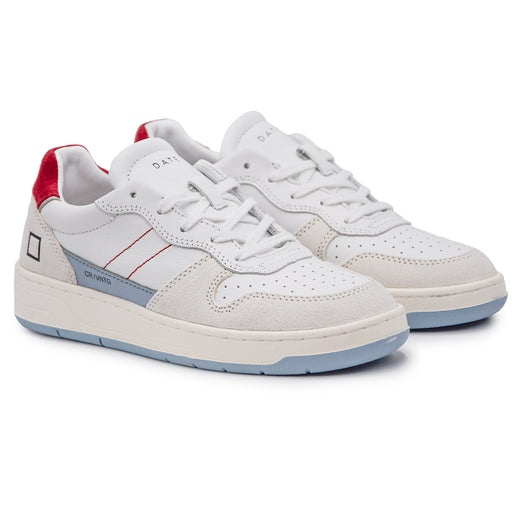
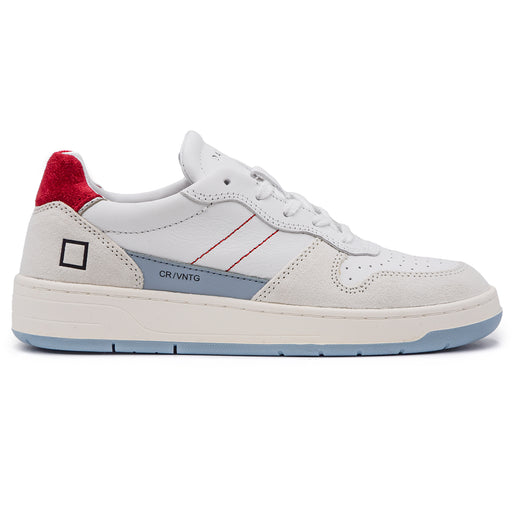
Original price €180,00Original price €180,00 - Original price €180,00Original price €180,00Current price €90,00€90,00 - €90,00Current price €90,00DATE Women's White Bordeaux Court Sneakers With Perforated Toe
D.A.T.E.• White leather sneakers • Light blue leather parts • Burgundy back patch • Perforated toe for greater breathability • Removable 2.5 insole •...
View full detailsOriginal price €180,00Original price €180,00 - Original price €180,00Original price €180,00Current price €90,00€90,00 - €90,00Current price €90,00Sale -
 Original price €165,00 - Original price €165,00Original price€165,00€165,00 - €165,00Current price €165,00
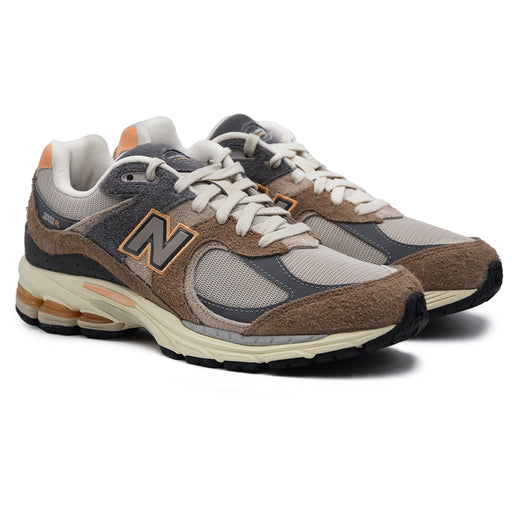
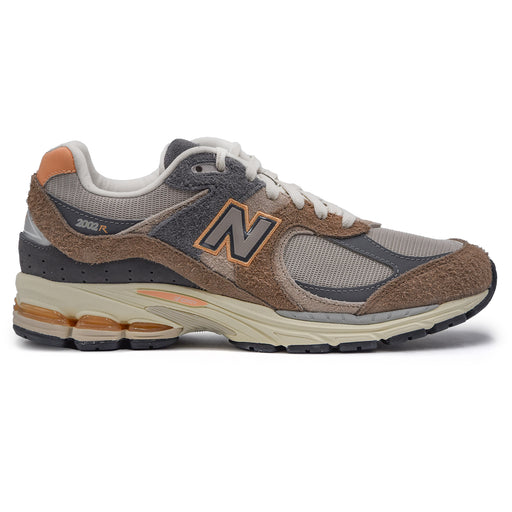
New Balance Men's Sneakers M2002REJ Brown Low Profile Design
New Balance• Durable suede and brown fabric sneakers • Contrasting details and mesh • Low-cut padded ankle • Fabric interior and removable insole • Stabi...
View full detailsOriginal price €165,00 - Original price €165,00Original price€165,00€165,00 - €165,00Current price €165,00 -
 Sale
Original price €390,00Original price €390,00 - Original price €390,00Original price €390,00Current price €234,00€234,00 - €234,00Current price €234,00
Sale
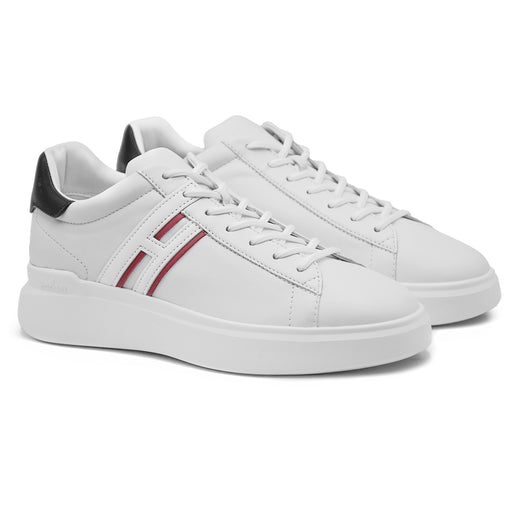
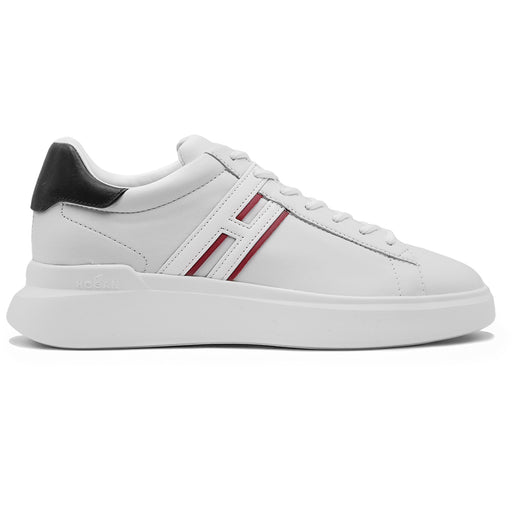
Original price €390,00Original price €390,00 - Original price €390,00Original price €390,00Current price €234,00€234,00 - €234,00Current price €234,00Hogan H580 Men's White Sneakers With Soft And Essential Lines
HoganSoft lines and clean proportions define a sneaker designed for understated style. White leather meets the bold contrast of the black heel and the e...
View full detailsOriginal price €390,00Original price €390,00 - Original price €390,00Original price €390,00Current price €234,00€234,00 - €234,00Current price €234,00Sale -
 Original price €150,00 - Original price €150,00Original price €150,00€160,00€160,00 - €160,00Current price €160,00
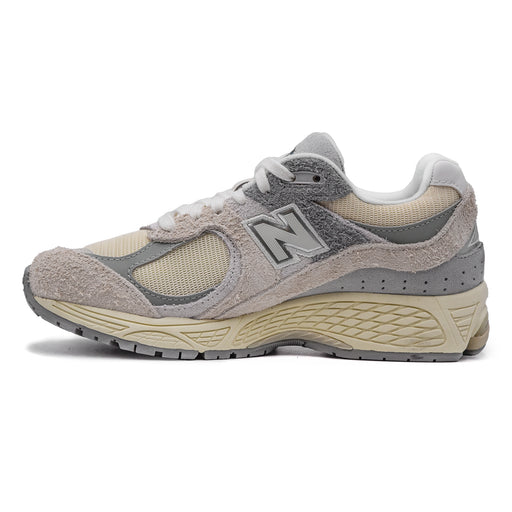
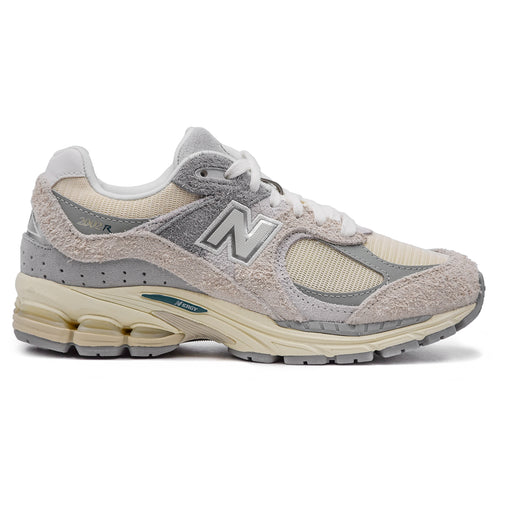
New Balace Women's Sneakers M2002REK White With Padded Ankle
New Balance• Sneakers in durable suede and lightweight white fabric • Details in grey • Low-cut padded ankle • Fabric interior and removable insole • Sta...
View full detailsOriginal price €150,00 - Original price €150,00Original price €150,00€160,00€160,00 - €160,00Current price €160,00 -
 Sale
Original price €175,00Original price €175,00 - Original price €175,00Original price €175,00Current price €70,00€70,00 - €70,00Current price €70,00
Sale
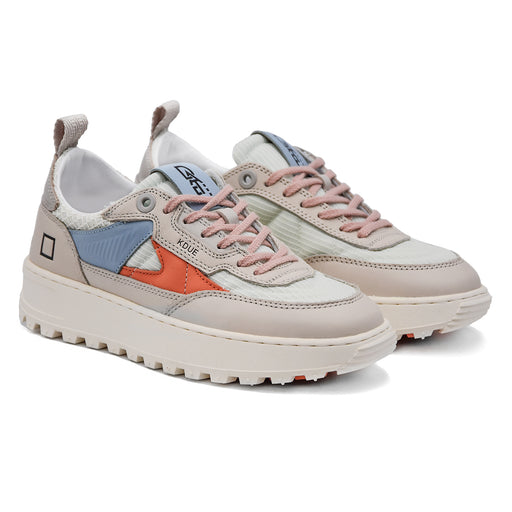
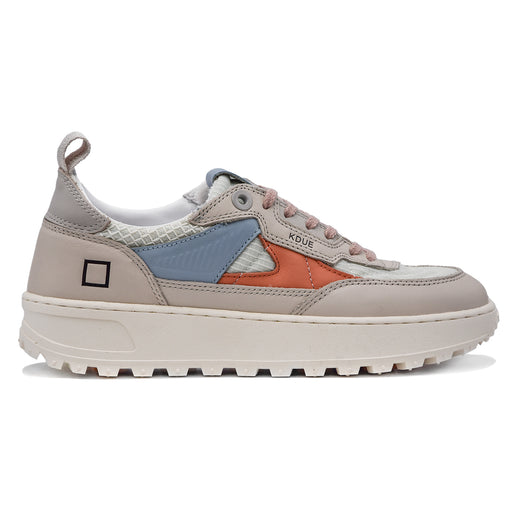
Original price €175,00Original price €175,00 - Original price €175,00Original price €175,00Current price €70,00€70,00 - €70,00Current price €70,00DATE Women's Sneakers K2 Hybrid Cream Upper With Material Mix
D.A.T.E.• Cream leather sneakers with worked fabric • Orange and blue detail • Leather and cotton sponge interior • Logoed patch sewn into the tongue ...
View full detailsOriginal price €175,00Original price €175,00 - Original price €175,00Original price €175,00Current price €70,00€70,00 - €70,00Current price €70,00Sale -
 Original price €199,00 - Original price €199,00Original price€199,00€199,00 - €199,00Current price €199,00
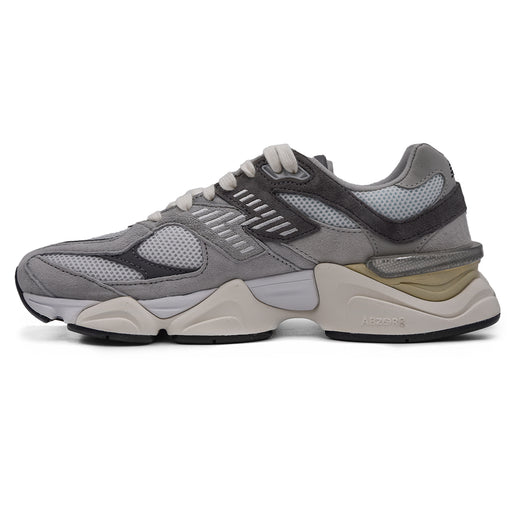
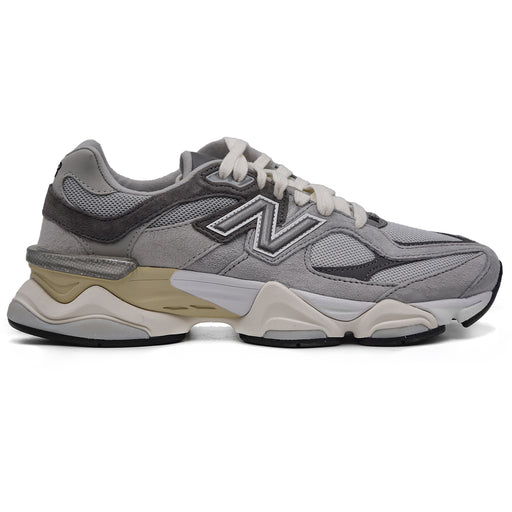
New Balance Men's Sneakers U9060GRY Gray With Wavy Lines
New Balance• Bi-material ice sneakers • Mesh upper with dark gray suede overlays • Extended rocker bars throughout the upper • Removable insole • Side lo...
View full detailsOriginal price €199,00 - Original price €199,00Original price€199,00€199,00 - €199,00Current price €199,00 -
 Sale
Original price €198,00Original price €198,00 - Original price €198,00Original price €198,00Current price €79,00€79,00 - €79,00Current price €79,00
Sale
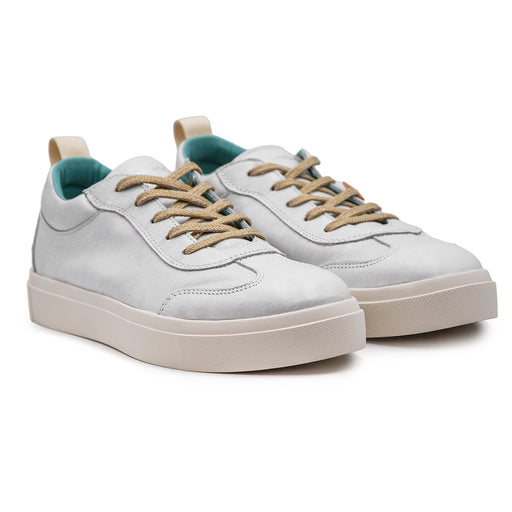
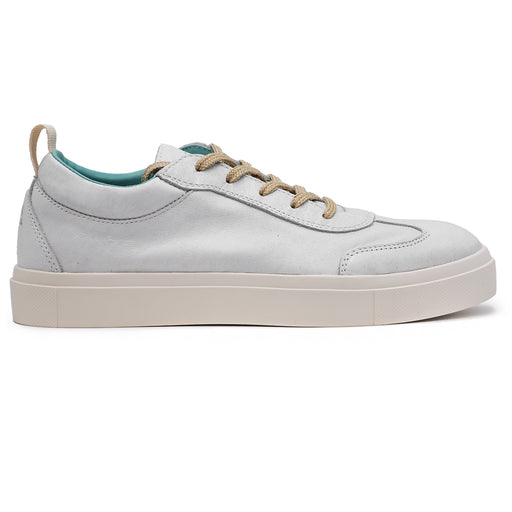
Original price €198,00Original price €198,00 - Original price €198,00Original price €198,00Current price €79,00€79,00 - €79,00Current price €79,00Ivory Panchic P08 Aviator Finishing Men's Leather Sneakers
Panchic• Ivory leather sneakers • Replacement laces matching the sole • Interior in fabric and leather • Logo on the back • Removable insole • 3 cm ...
View full detailsOriginal price €198,00Original price €198,00 - Original price €198,00Original price €198,00Current price €79,00€79,00 - €79,00Current price €79,00Sale -
 Sale
Original price €188,00Original price €188,00 - Original price €188,00Original price €188,00Current price €95,00€95,00 - €95,00Current price €95,00
Sale
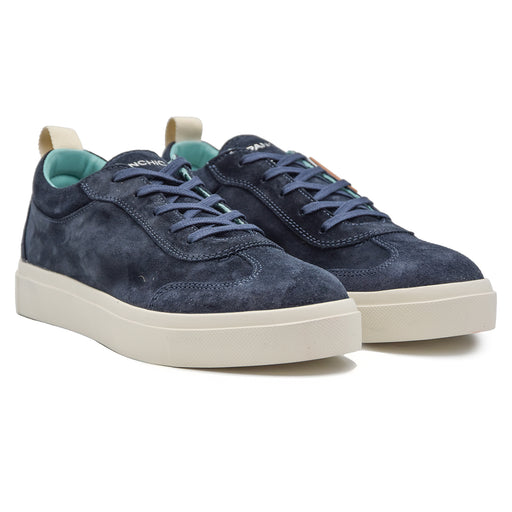
Original price €188,00Original price €188,00 - Original price €188,00Original price €188,00Current price €95,00€95,00 - €95,00Current price €95,00Panchic Men's Blue Suede Sneakers P02 Antibacterial Insole
Panchic• Blue suede sneakers • Ocher replacement laces • Interior in fabric and leather • Logo on the back • Removable insole • 3 cm white sole • Regular...
View full detailsOriginal price €188,00Original price €188,00 - Original price €188,00Original price €188,00Current price €95,00€95,00 - €95,00Current price €95,00Sale -
 Sale
Original price €228,00Original price €228,00 - Original price €228,00Original price €228,00Current price €90,00€90,00 - €90,00Current price €90,00
Sale
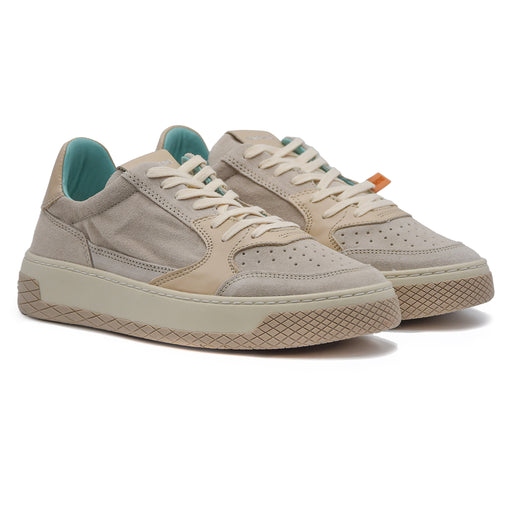
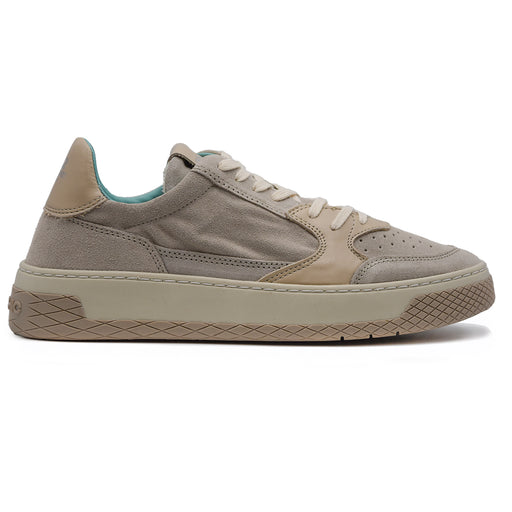
Original price €228,00Original price €228,00 - Original price €228,00Original price €228,00Current price €90,00€90,00 - €90,00Current price €90,00Panchic Sneakers Basket Line P02 Gray Men With Rear Logo
Panchic• Fog suede sneakers • Leather details • Ocher replacement laces • Internal elastics to facilitate movement • Interior in fabric and leather ...
View full detailsOriginal price €228,00Original price €228,00 - Original price €228,00Original price €228,00Current price €90,00€90,00 - €90,00Current price €90,00Sale -
 Sale
Original price €228,00Original price €228,00 - Original price €228,00Original price €228,00Current price €90,00€90,00 - €90,00Current price €90,00
Sale
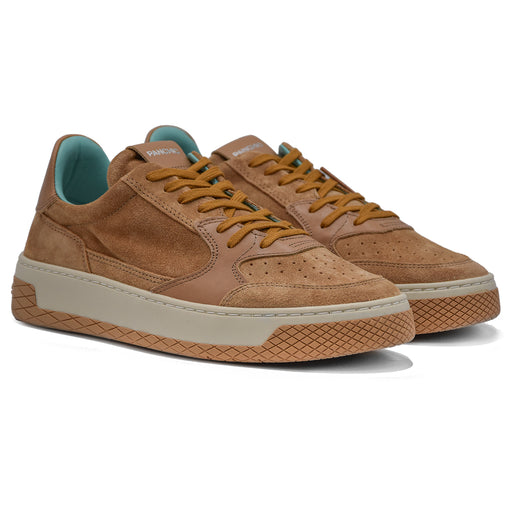
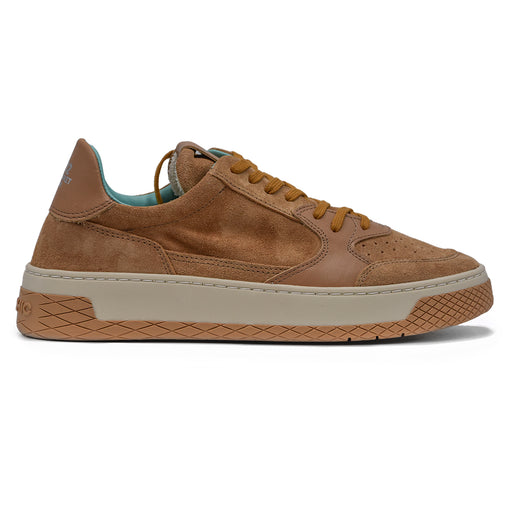
Original price €228,00Original price €228,00 - Original price €228,00Original price €228,00Current price €90,00€90,00 - €90,00Current price €90,00Panchic Men's Biscuit Low-Top Sneakers With Mix Of Materials
Panchic• Biscuit suede sneakers • Leather details • Replacement laces • Internal elastics to facilitate movement • Interior in fabric and leather • ...
View full detailsOriginal price €228,00Original price €228,00 - Original price €228,00Original price €228,00Current price €90,00€90,00 - €90,00Current price €90,00Sale -
 Original price €149,00 - Original price €149,00Original price €149,00€149,00€149,00 - €149,00Current price €149,00
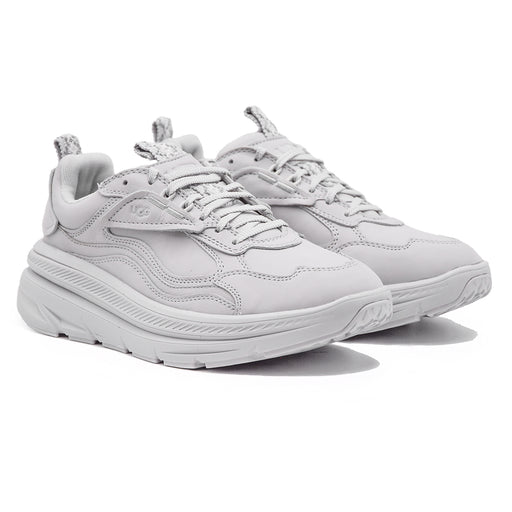
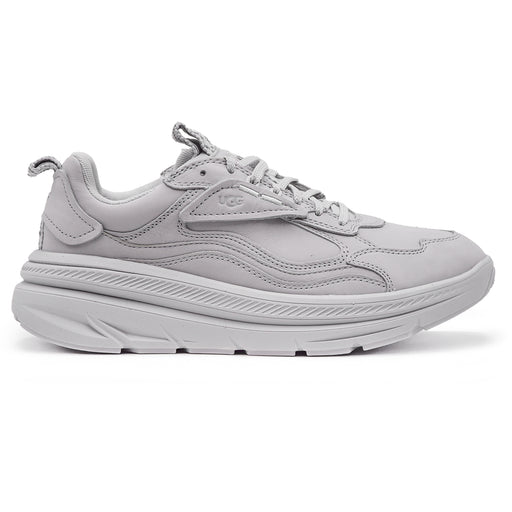
UGG Sneakers CA1 Grey Smoke Women Versatile And Maximalist
Ugg• Smoky / Silver smoke leather sneakers • Heritage Tasman webbing • Recycled polyester laces • EVA midsole • PORON sole and foam sole • Ultra-ligh...
View full detailsOriginal price €149,00 - Original price €149,00Original price €149,00€149,00€149,00 - €149,00Current price €149,00 -
 Sale
Original price €239,00Original price €239,00 - Original price €239,00Original price €239,00Current price €119,00€119,00 - €119,00Current price €119,00
Sale
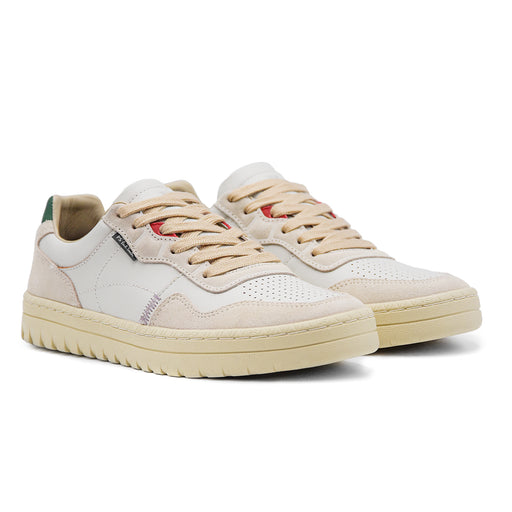
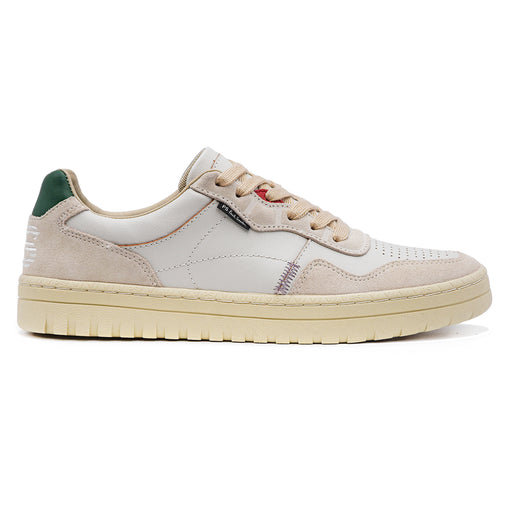
Original price €239,00Original price €239,00 - Original price €239,00Original price €239,00Current price €119,00€119,00 - €119,00Current price €119,00Paul Smith Ellis White Men's Sneakers With Removable Insole
Paul Smith• White leather sneakers • Ice suede details • Perforated toe for greater breathability • Removable insole • Notched sole with mini logos • 3...
View full detailsOriginal price €239,00Original price €239,00 - Original price €239,00Original price €239,00Current price €119,00€119,00 - €119,00Current price €119,00Sale -
 Sale
Original price €239,00Original price €239,00 - Original price €239,00Original price €239,00Current price €119,00€119,00 - €119,00Current price €119,00
Sale
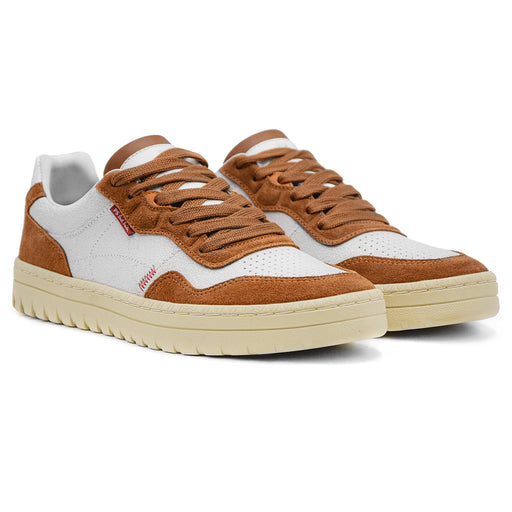
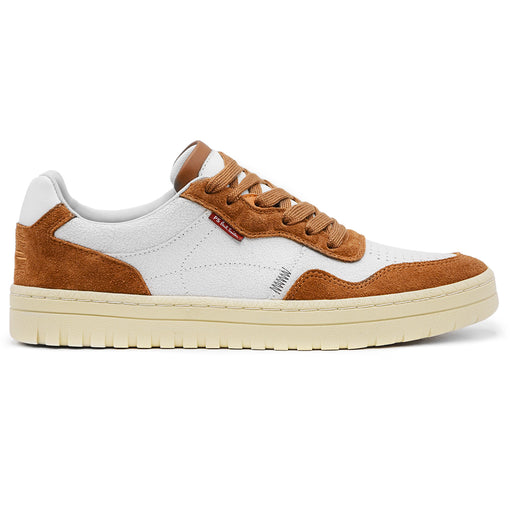
Original price €239,00Original price €239,00 - Original price €239,00Original price €239,00Current price €119,00€119,00 - €119,00Current price €119,00Paul Smith Men's Sneakers White Brown Ellis With Mini Logos
Paul Smith• White leather sneakers • Tobacco suede details • Perforated toe for greater breathability • Removable insole • Grooved sole with mini logos ...
View full detailsOriginal price €239,00Original price €239,00 - Original price €239,00Original price €239,00Current price €119,00€119,00 - €119,00Current price €119,00Sale -

 Original price €229,00 - Original price €229,00Original price €229,00€239,00€239,00 - €239,00Current price €239,00
Voile Blanche Club 105 Women's Sneakers Beige Black Logoed Sole
Voile Blanche• Beige suede sneakers • Black and white nylon • Trekking-inspired laces and eyelets • Removable footbed • Leather interior • Ultra-light rub...
View full detailsOriginal price €229,00 - Original price €229,00Original price €229,00€239,00€239,00 - €239,00Current price €239,00 -
 Original price €170,00 - Original price €170,00Original price€170,00€170,00 - €170,00Current price €170,00
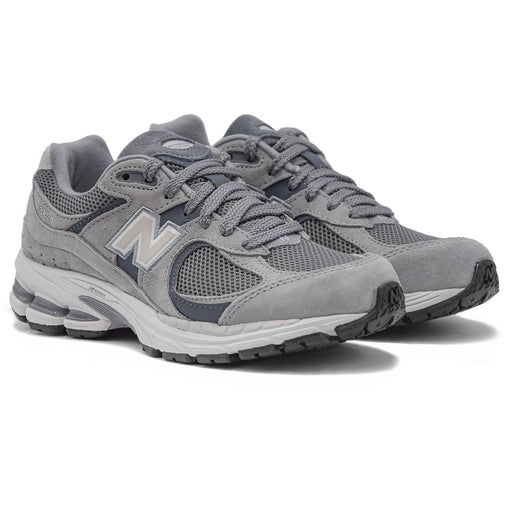
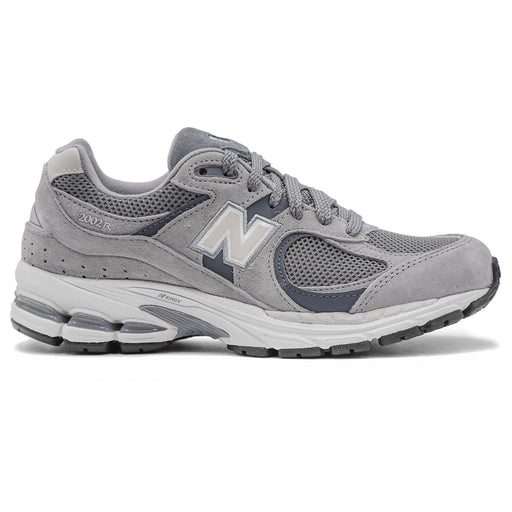
New Balance M2002RST Gray Women's Sneakers With Retro Aesthetics
New Balance• 2002RST sneakers in grey suede and fabric • Blue leather details • Lateral “N” monogram • Fabric interior and removable insole • N-ergy shock abs...
View full detailsOriginal price €170,00 - Original price €170,00Original price€170,00€170,00 - €170,00Current price €170,00 -
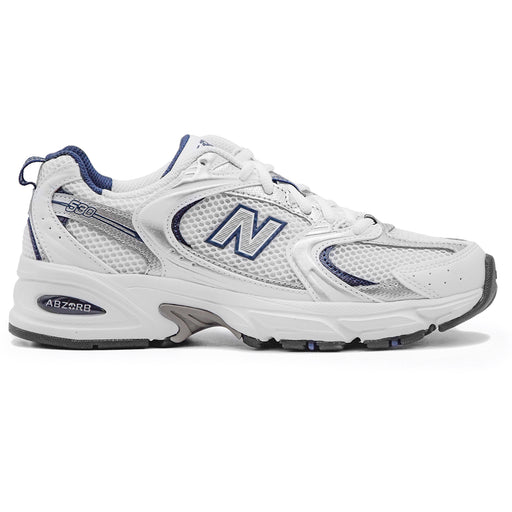 Original price €130,00 - Original price €130,00Original price€130,00€130,00 - €130,00Current price €130,00
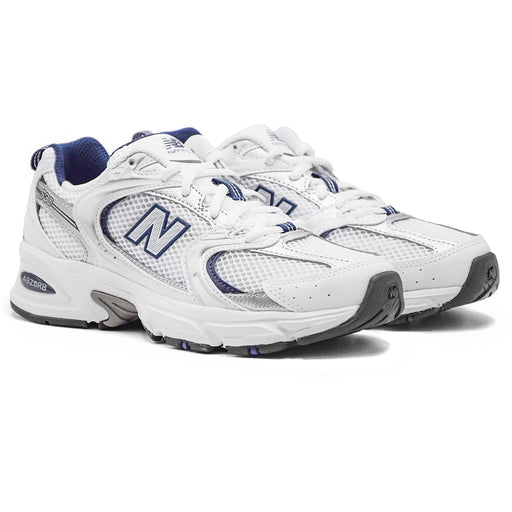
New Balance MR530SG Women's Sneakers White Silver Mesh
New Balance• 530 sneakers in white breathable mesh • Silver details • Monogram “N” on the side in relief • Fabric interior and removable insole • ABZORB ...
View full detailsOriginal price €130,00 - Original price €130,00Original price€130,00€130,00 - €130,00Current price €130,00 -
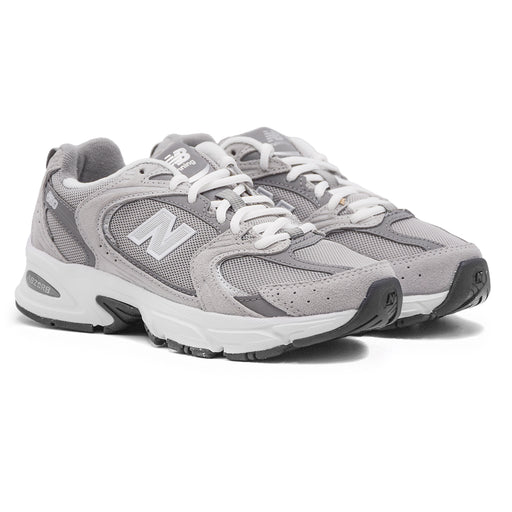
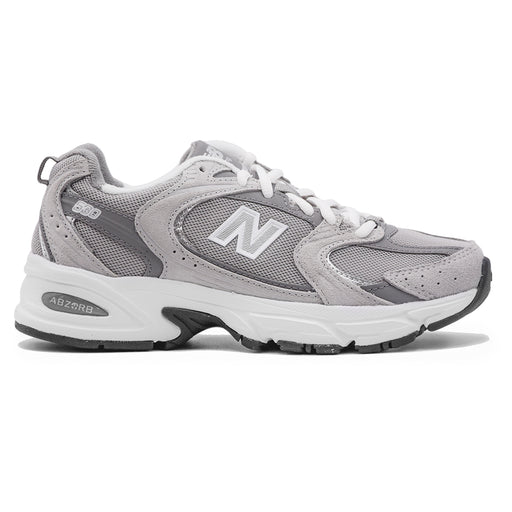 Original price €130,00 - Original price €130,00Original price€130,00€130,00 - €130,00Current price €130,00
New Balance Gray MR530CK Women's Sneakers Inspired by Sprinters
New Balance• Gray suede sneakers • Fabric and leather • Removable insole • Fabric interior • Midsole with ABZORB cushioning • Molded sole • Design insp...
View full detailsOriginal price €130,00 - Original price €130,00Original price€130,00€130,00 - €130,00Current price €130,00 -
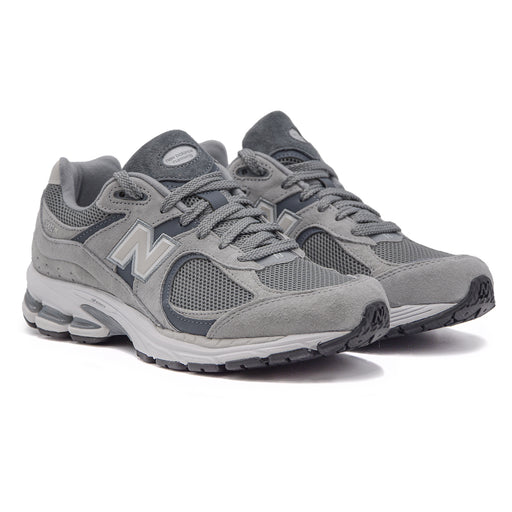
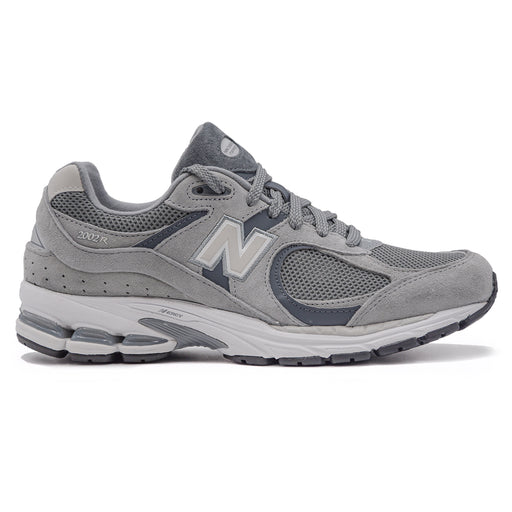 Original price €170,00 - Original price €170,00Original price €170,00€170,00€170,00 - €170,00Current price €170,00
New Balance Men's Sneakers 2002R Gray With Pigskin Upper
New Balance• 2002RDK sneakers in gray suede and fabric • Blue leather details • Monogram “N” on the side • Fabric interior and removable insole • N-ergy ...
View full detailsOriginal price €170,00 - Original price €170,00Original price €170,00€170,00€170,00 - €170,00Current price €170,00 -

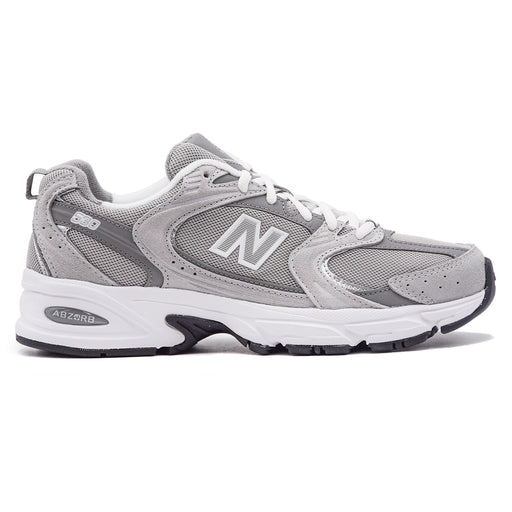 Sale
Original price €130,00Original price €130,00 - Original price €130,00Original price €130,00Current price €104,00€104,00 - €104,00Current price €104,00
Sale
Original price €130,00Original price €130,00 - Original price €130,00Original price €130,00Current price €104,00€104,00 - €104,00Current price €104,00New Balance MR530 Gray Men's Sneakers A Throwback to the Past
New Balance• Gray suede sneakers • Fabric and leather • Removable insole • Fabric interior • Midsole with ABZORB cushioning • Molded sole • Design insp...
View full detailsOriginal price €130,00Original price €130,00 - Original price €130,00Original price €130,00Current price €104,00€104,00 - €104,00Current price €104,00Sale -
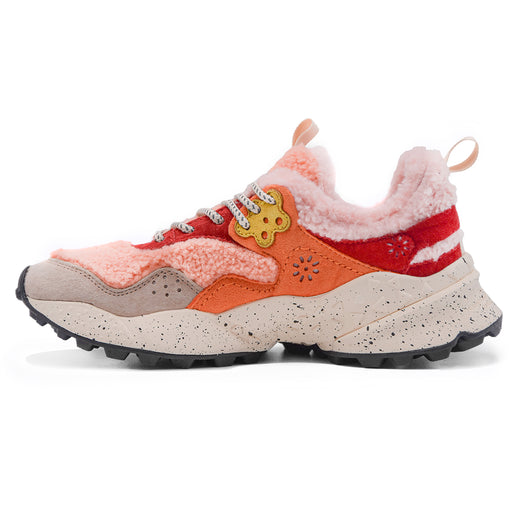
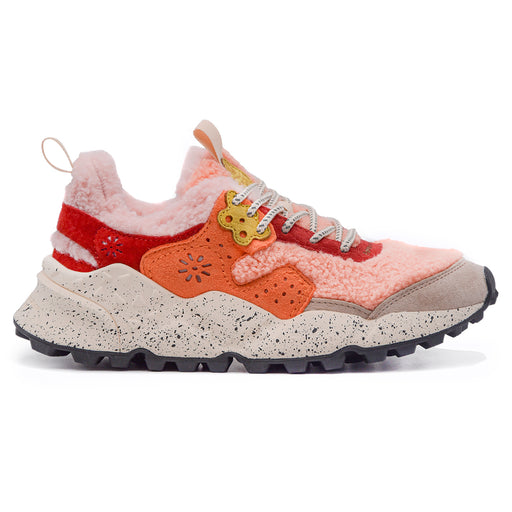 Original price €219,00 - Original price €219,00Original price €219,00€219,00€219,00 - €219,00Current price €219,00
Flower Mountain Kotetsu Orange Women's Sneakers Playful and colorful
Flower Mountain• Orange shearling sneakers • Suede parts • Pink collar • Trekking style lacing • Leather interior • Internal insole in natural antibacterial...
View full detailsOriginal price €219,00 - Original price €219,00Original price €219,00€219,00€219,00 - €219,00Current price €219,00 -
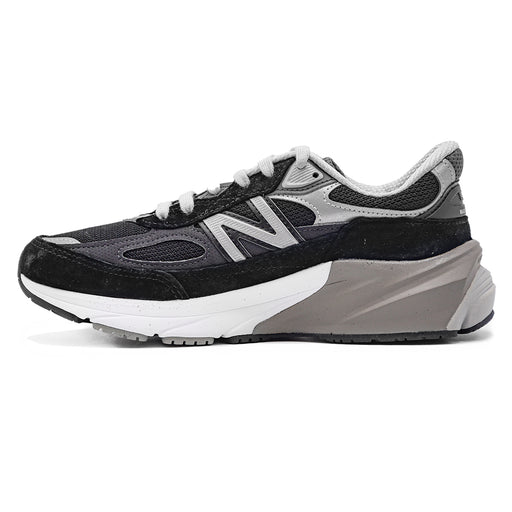
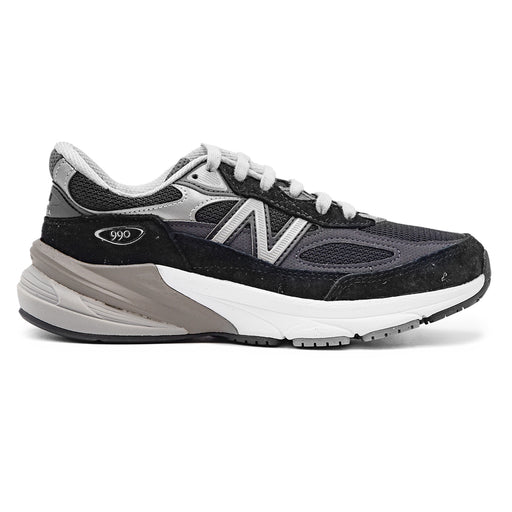 Original price €250,00 - Original price €250,00Original price €250,00€250,00€250,00 - €250,00Current price €250,00
New Balance 990 v6 Sneakers Black Women MADE IN USA
New Balance• Sneakers in black suede and mesh • Gray “N” monogram • Reflective details designed to catch the light • Fabric interior and removable insole • B...
View full detailsOriginal price €250,00 - Original price €250,00Original price €250,00€250,00€250,00 - €250,00Current price €250,00 -
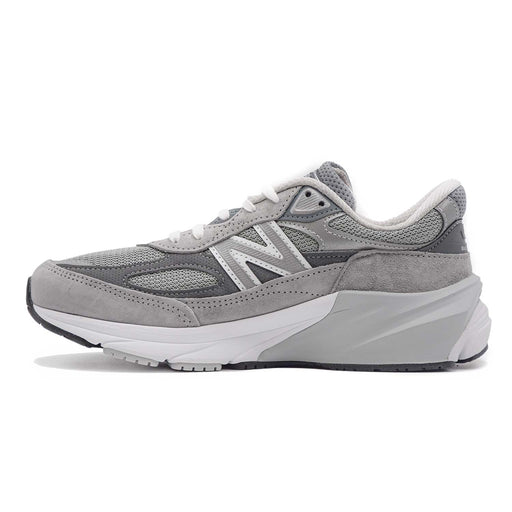
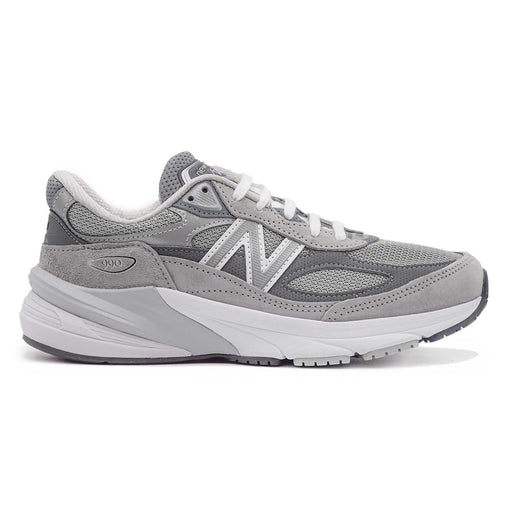 Original price €250,00 - Original price €250,00Original price €250,00€250,00€250,00 - €250,00Current price €250,00
New Balance 990 V6 Women's Sneakers Gray Made In USA
New Balance• Gray suede and mesh sneakers • Gray “N” monogram • Fabric interior and removable insole • Blown rubber outsole • Midsole with ENCAP technology f...
View full detailsOriginal price €250,00 - Original price €250,00Original price €250,00€250,00€250,00 - €250,00Current price €250,00 -
 Sale
Original price €390,00Original price €390,00 - Original price €390,00Original price €390,00Current price €234,00€234,00 - €234,00Current price €234,00
Sale
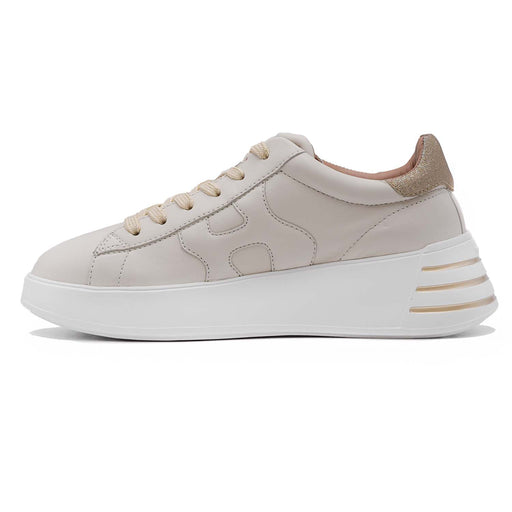
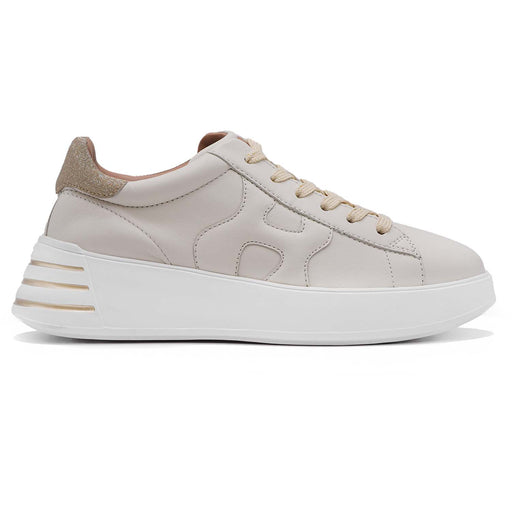
Original price €390,00Original price €390,00 - Original price €390,00Original price €390,00Current price €234,00€234,00 - €234,00Current price €234,00Hogan Rebel Pale Gold Women's Sneakers With Glitter Fabric Back
HoganFor those looking for comfortable and elegant cream Hogan women's sneakers with gold details, these Rebel sneakers add a touch of light to any look...
View full detailsOriginal price €390,00Original price €390,00 - Original price €390,00Original price €390,00Current price €234,00€234,00 - €234,00Current price €234,00Sale -
 Original price €250,00 - Original price €250,00Original price €250,00€250,00€250,00 - €250,00Current price €250,00
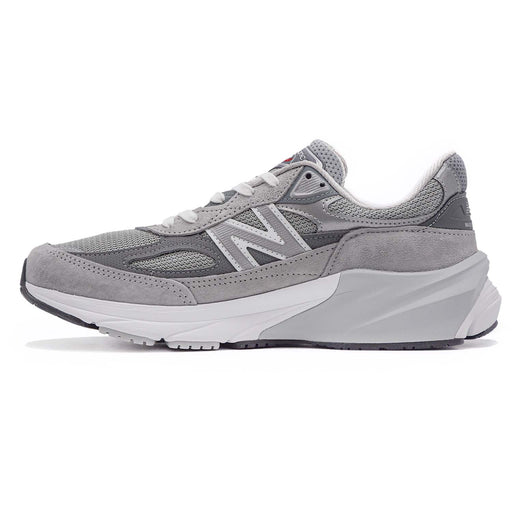
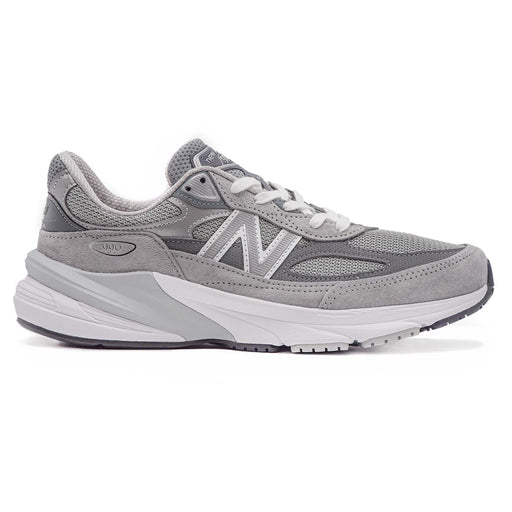
New Balance Men's 990 V6 Gray Sneakers With Aerodynamic Upper
New Balance• Gray suede and mesh sneakers • Gray “N” monogram • Fabric interior and removable insole • Outer sole in white and gray blown rubber • Midsol...
View full detailsOriginal price €250,00 - Original price €250,00Original price €250,00€250,00€250,00 - €250,00Current price €250,00 -
 Sale
Original price €440,00Original price €440,00 - Original price €440,00Original price €440,00Current price €175,00€175,00 - €175,00Current price €175,00
Sale
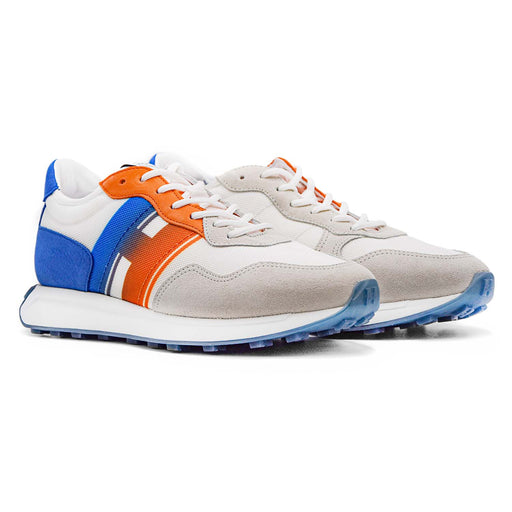
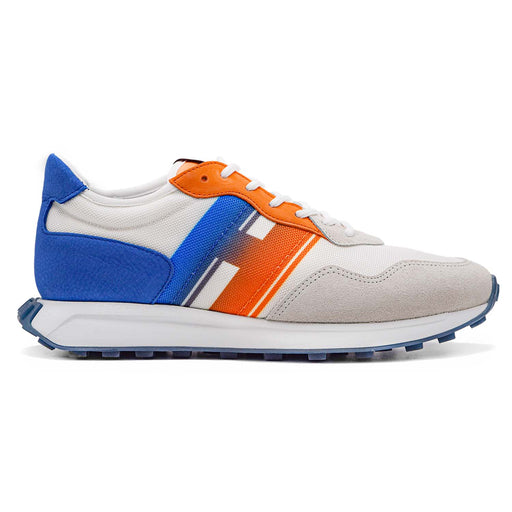
Original price €440,00Original price €440,00 - Original price €440,00Original price €440,00Current price €175,00€175,00 - €175,00Current price €175,00Hogan H601 Sand Men's Sneakers With New Side Dégradé Print
Hogan• H601 sneakers in sand suede • White technical fabric • Removable memory foam insole • Gradé print logo • Interior in fabric and leather • L...
View full detailsOriginal price €440,00Original price €440,00 - Original price €440,00Original price €440,00Current price €175,00€175,00 - €175,00Current price €175,00Sale -
 Sale
Original price €239,00Original price €239,00 - Original price €239,00Original price €239,00Current price €95,00€95,00 - €95,00Current price €95,00
Sale
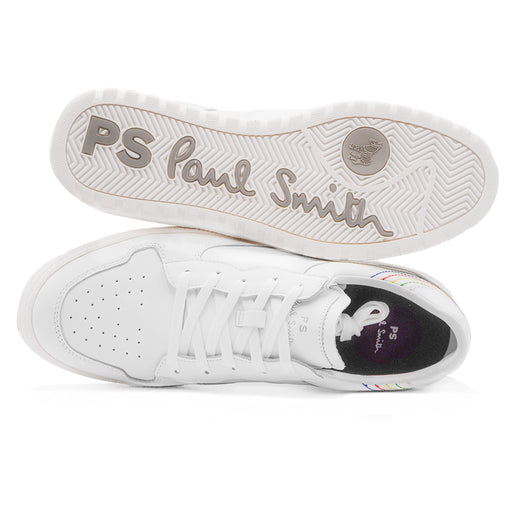
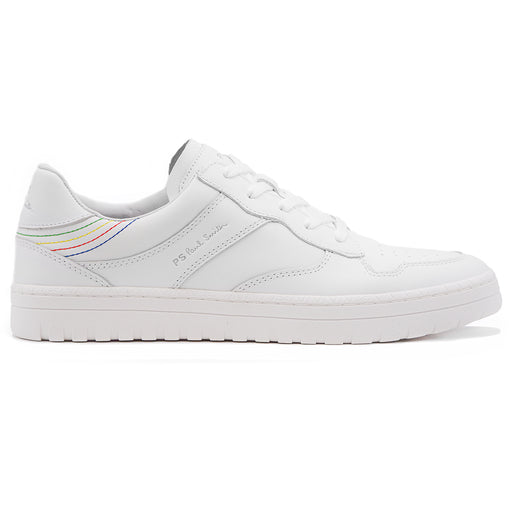
Original price €239,00Original price €239,00 - Original price €239,00Original price €239,00Current price €95,00€95,00 - €95,00Current price €95,00Paul Smith Sneakers Liston White Men's "Sports Stripe" stitching
Paul Smith• White leather sneakers • Multicolored "Sports Stripe" stitching detail • Perforated toe for greater breathability • Removable insole • Notch...
View full detailsOriginal price €239,00Original price €239,00 - Original price €239,00Original price €239,00Current price €95,00€95,00 - €95,00Current price €95,00Sale -
 Sale
Original price €100,00Original price €100,00 - Original price €100,00Original price €100,00Current price €50,00€50,00 - €50,00Current price €50,00
Sale
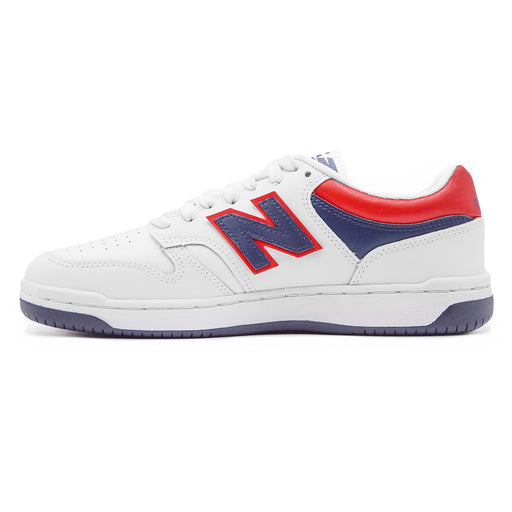
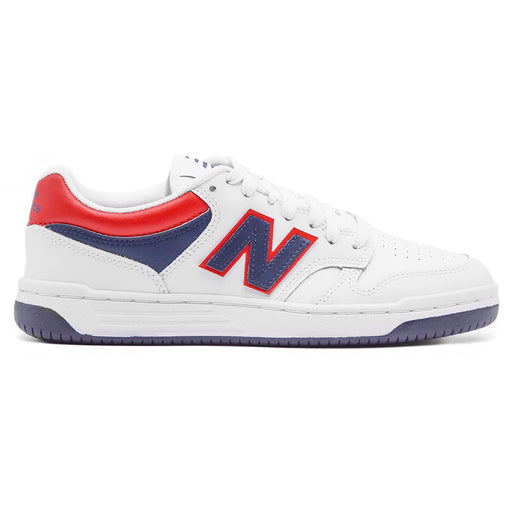
Original price €100,00Original price €100,00 - Original price €100,00Original price €100,00Current price €50,00€50,00 - €50,00Current price €50,00New Balance 480 Men's Authentic Basketball Style Sneakers White
New Balance• 480 sneakers in white full-grain leather • Red and blue details • Fabric interior • Removable insole • ACTEVA LITE cushioning • Ortholite i...
View full detailsOriginal price €100,00Original price €100,00 - Original price €100,00Original price €100,00Current price €50,00€50,00 - €50,00Current price €50,00Sale


Women's Sneakers | Men's Sneakers
Sneakers, which today we wear with ease to go to the gym, to work or even to an elegant dinner, are a symbol of social and cultural evolution. It has not always been this way. Let's start with the name: "sneakers", derived from the English to sneak , which means to move furtively.
A name not by chance since the first shoes of this type, with their rubber soles, allowed you to walk without making noise. It was the end of the 19th century when these shoes called " plimsoll " appeared in England to satisfy the demand for comfortable shoes for sports and leisure.
Then the Americans arrived and transformed everything into a business. It was 1917 when Converse launched the All Star, a shoe intended for basketball, which in 1923 became the famous Chuck Taylor All Star thanks to the player who promoted its diffusion. In the same years Keds began producing canvas and rubber shoes for the masses: simple, cheap and resistant. Here the sneakers-sport combination was born and also their role as a symbol of accessibility and practicality.
In the 1920s and 1930s, sneakers evolved as technical footwear for athletes. For example, Adidas – founded in Germany by Adolf Dassler – introduced soccer shoes with studs and the first running shoe with a herringbone sole.
And then comes the big boom: the 50s, when sneakers leave the sports fields to become a cultural phenomenon. James Dean wears them in Rebel Without a Cause and they immediately become an icon of youthful rebellion.
In the '70s and '80s, with the rise of hip-hop culture and the explosion of sports marketing, sneakers became a real obsession. Nike revolutionized the industry with the launch of the Air Jordan in 1984, a product that combined technology and design with a star like Michael Jordan. The result? Millions of teenagers - and not only - ready to do crazy things to own them. Meanwhile, brands like Puma and Reebok rode the wave with innovative designs and collaborations with musicians and artists.
Today sneakers are status symbols, collector's items, the most sought-after footwear. Sneakers tell a story of social transformation, rebellion, adaptability.
They are the emblem of an era in which the boundary between sport, culture and business is increasingly thin and our way of walking has become a way of saying who we are.
The selection of Sabot starts from Hogan, Premiata, Paul Smith, New Balance, DATE and many other brands!
When it comes to Italian sneaker brands, Hogan is definitely one of the most recognized. Founded in 1986 by Diego Della Valle, the brand has achieved success thanks to the combination of elegance and comfort of its shoes.
Premiata , founded in 1885 in Conca dei Marini, is an Italian brand of high quality and uniquely designed shoes.
DATE , born in 2005, focuses on the production of luxury sneakers made from fine materials.
Philippe Model , founded in Paris in 1981, is a luxury brand that offers elegant and high-quality sneakers.
New Balance , this is the iconic balance between style and functionality for those seeking comfort and versatility.
Puraai is the new minimalism, where Italian refinement and craftsmanship blend into a timeless design.
Flower Mountain draws inspiration from nature and Japanese craftsmanship to create unique, eco-friendly sneakers.
For Ash, the sneaker is urban elegance and bold details characterize the sneakers that exude effortless coolness.
Sneaker Collection: Our Case Study!
We at Sabot have also conducted research on purchasing behavior in the footwear sector in the post-Covid years. It emerges that the sneakers is the shoe mainly purchased online: precisely 70% of respondents chose this option (on a sample of approximately 500 individuals).
During the pandemic, the sectors most affected were classic shoes with a 30% decrease in quantity, while for sneakers the decrease was more limited and around 15%.
For this reason, traditionally elegant brands have had to adapt to the market and create more variants of sneakers, to the detriment of more classic footwear. After sports shoes, some interviewees said they buy décolleté, sandals and moccasins.